

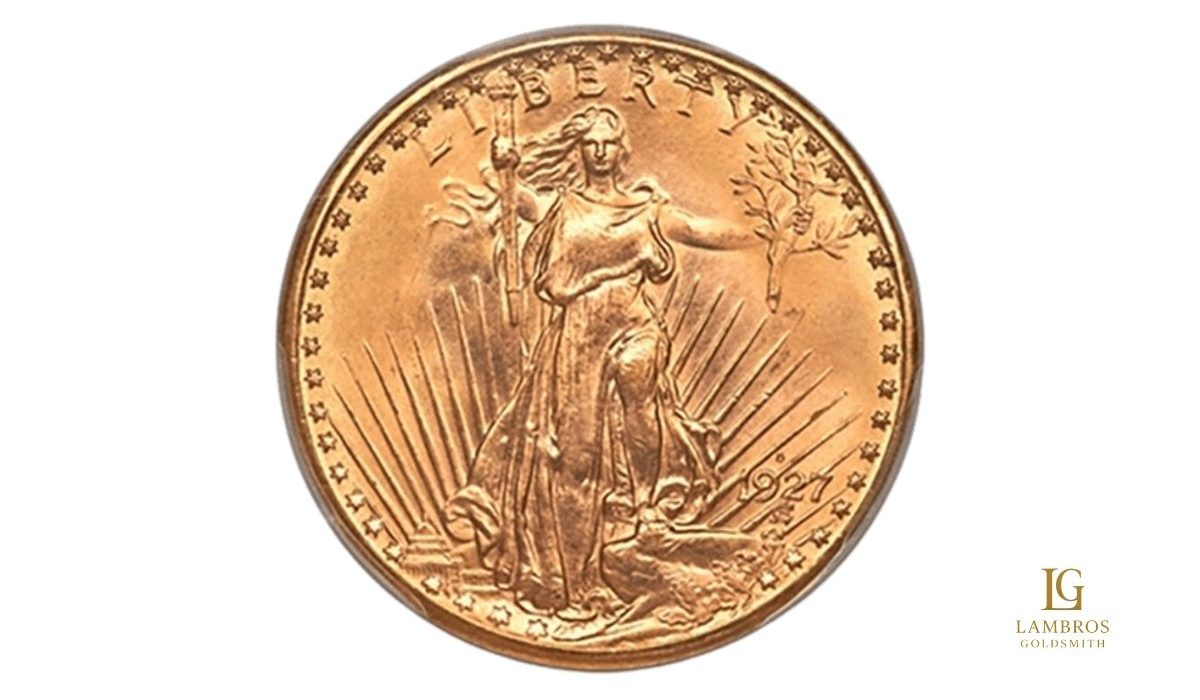
In June 2021, a single coin sold at Sotheby’s for $18.9 million. That coin, a 1933 Saint-Gaudens Double Eagle, became the most expensive gold coin ever auctioned, shattering records and proving that rare gold coins can hold extraordinary value far beyond their metal content.
But you don’t need a multimillion-dollar budget to benefit from understanding valuable gold coins. Whether you’re a seasoned collector, a first-time investor, or someone who just inherited a box of old coins, knowing what makes certain gold coins worth money is essential.
This guide covers the most valuable gold coins ever sold, the factors that drive their value, how grading and appraisals work, and what to look for in your own collection.
What Makes a Gold Coin Valuable?
Not every gold coin is worth more than its weight in metal. The most expensive gold coins in the world share a few key traits that push their value well past their melt price.
- Rarity and Mintage. The fewer surviving examples of a coin, the more collectors are willing to pay. Many of the most valuable gold coins were produced in small batches or recalled from circulation, leaving only a handful of known specimens. The 1822 Half Eagle, for example, had an original mintage of 17,796, but only three survive today.
- Historical Significance. Coins tied to pivotal moments in history carry premium value. The 1933 Double Eagle was struck just as the U.S. abandoned gold coinage, and the coins were ordered destroyed. Its story of survival adds layers of desirability.
- Condition and Grade. A coin’s physical state greatly impacts its market price. A well-preserved, uncirculated coin can be worth 10 times more than a worn example of the same issue (sometimes even more).
- Gold Purity and Weight. Pure gold content sets the baseline value of any gold coin. The Canadian Gold Maple Leaf, for instance, contains .9999 fine gold (24k), while the American Gold Eagle contains 22k gold (.9167 fineness) with copper and silver alloys for durability.
- Design and Provenance. Coins designed by renowned artists or with documented ownership histories attract significant interest. Augustus Saint-Gaudens, whose Liberty design graces the Double Eagle, elevated American coinage to fine art.
The Most Expensive Gold Coins Ever Sold
These are the gold coins that have commanded the highest prices at auction. Each one represents a combination of extreme rarity, historical importance, and exceptional condition.
| Coin | Year Sold | Sale Price | Auction/Sale |
| 1933 Saint-Gaudens Double Eagle | 2021 | $18.9 million | Sotheby’s |
| 1787 Brasher Doubloon (wing stamp) | 2021 | $9.36 million | Heritage Auctions |
| 1822 Half Eagle ($5 gold) | 2021 | $8.4 million | Stack’s Bowers |
| 1787 Brasher Doubloon (breast stamp) | 2021 | $7.4 million | Private sale |
| 1861 Paquet Liberty Head Double Eagle | 2021 | $7.2 million | Heritage Auctions |
| 723 Umayyad Gold Dinar | 2011 | $6.03 million | Morton & Eden |
| 2007 Canadian Gold Maple Leaf (100 kg) | 2010 | $4 million | Auction |
| 1829 Proof Capped Bust Half Eagle | 2021 | $1.5 million | Auction |
| 1343 Edward III Florin | 2006 | $600,000+ | Auction |
| 1907 Saint-Gaudens Ultra High Relief | Ongoing | $3 million+ | Various |
Coin Highlights
- The 1933 Double Eagle was never officially circulated. When President Roosevelt took the U.S. off the gold standard, nearly all 445,500 coins struck that year were ordered melted. A single specimen, once part of King Farouk of Egypt’s collection, was later monetized by the U.S. government, making it the only legal-to-own example.
- The 1787 Brasher Doubloon, handcrafted by New York goldsmith Ephraim Brasher before the U.S. Mint even existed, is one of America’s earliest gold coins. Only seven are known to survive, with variations in the placement of Brasher’s “EB” hallmark (wing vs. breast) affecting value.
- The 1861 Paquet Double Eagle owes its rarity to a design error. Assistant Engraver Anthony C. Paquet created a reverse with a rim too low to protect the coin’s surface. The Philadelphia Mint caught the mistake quickly, but the San Francisco Mint had already released a small batch before the recall.
- The 723 Umayyad Gold Dinar is the oldest coin on this list, struck during the reign of Caliph Yazid II. Its inscription references a gold mine owned by the Caliph, making it one of the most historically significant Islamic coins ever produced.
Types of Gold Coins and How They Hold Value
It’s important to understand categories of gold coins so you can evaluate what you own or what you’re considering buying.
Bullion Coins
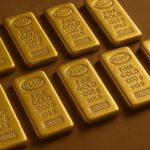
Bullion coins are produced for investment purposes, and their value tracks closely with the spot price of gold. Popular examples include:
- American Gold Eagle (22k, .9167 fine) in 1 oz, 1/2 oz, 1/4 oz, and 1/10 oz sizes
- Canadian Gold Maple Leaf (24k, .9999 fine)
- South African Krugerrand (22k), one of the first modern bullion coins, introduced in 1967
- Austrian Philharmonic (24k, .9999 fine)
- American Gold Buffalo (24k, .9999 fine), the first U.S. 24k gold bullion coin, introduced in 2006
Numismatic and Collectible Coins
Numismatic coins derive most of their value from rarity, age, and historical context rather than gold content alone.
Pre-1933 U.S. gold coins are a prime example. After Executive Order 6102 required citizens to surrender gold coins, many were melted, making surviving specimens significantly rarer.
Proof Coins
Proof coins are struck using specially polished dies and a multi-strike process that creates mirror-like surfaces and sharp details. They’re produced in limited quantities and carry premiums well above their bullion counterparts.
Valuable U.S. Gold Coins Worth Money
The United States has produced some of the most sought-after gold coins in numismatic history. Here are the key series collectors and investors watch closely.
Double Eagles ($20 Gold Coins)
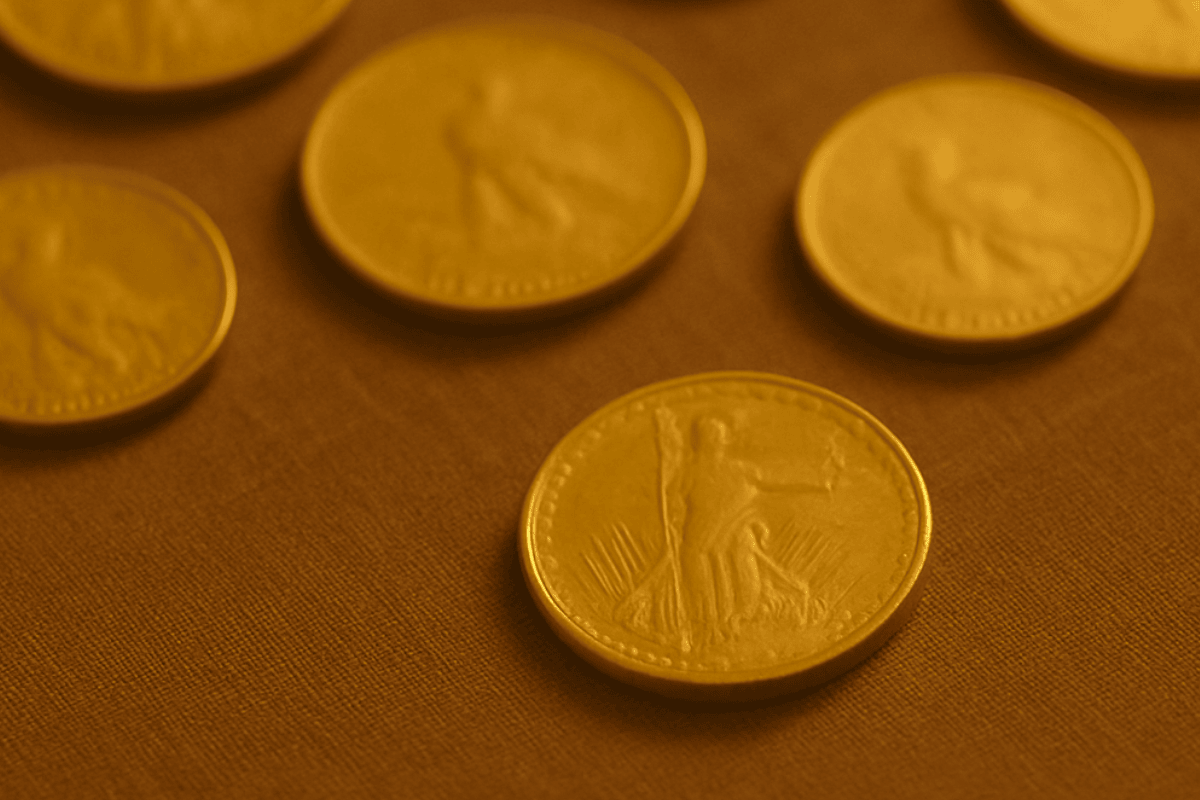
The $20 Double Eagle is the crown jewel of U.S. gold coinage. Two main series exist: the Liberty Head (1850 to 1907) and the Saint-Gaudens (1907 to 1933). Each coin contains just under one ounce (.9675 oz) of pure gold.
Saint-Gaudens Double Eagles, designed at the request of President Theodore Roosevelt, are widely considered the most beautiful coins ever minted in the U.S.
Eagles ($10 Gold Coins)
The $10 Eagle comes in two varieties: the Liberty Head (1838 to 1907) and the Indian Head (1907 to 1933). The Indian Head design, with Liberty wearing a Native American headdress, is particularly prized for its striking artistry.
Half Eagles ($5 Gold Coins)
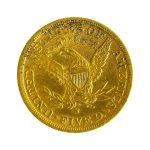
Half Eagles were among the first gold coins struck by the U.S. Mint, with production beginning in 1795. Notable varieties include the Capped Bust, Liberty Head, and Indian Head. The 1822 Half Eagle, with only three known survivors, is one of the rarest coins in existence.
Quarter Eagles ($2.50 Gold Coins)
Quarter Eagles were produced from 1796 through 1929. The Indian Head Quarter Eagle (1908 to 1929) is unique in all of U.S. coinage for its incuse (recessed) design, where the images are pressed into the surface rather than raised above it.
Rare Gold Coins From Around the World
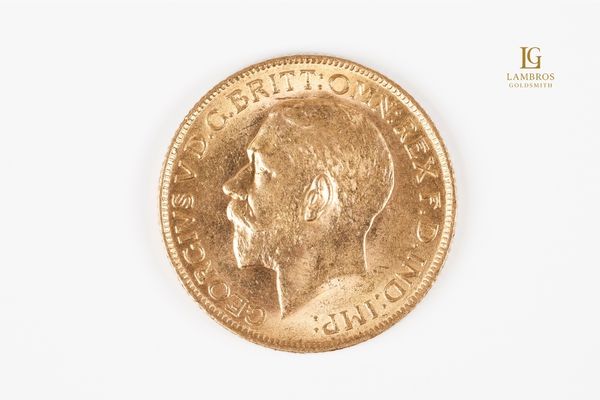
The most valuable gold coins are not limited to American issues. Several international coins rank among the rarest and most expensive ever sold.
- British Gold Sovereign: A 22k gold coin with roots stretching back to 1489, the sovereign remains one of the most recognized and widely traded gold coins worldwide.
- 1343 Edward III Florin: Only three are known to exist, and two of those reside in the British Museum, making this medieval English coin nearly impossible to acquire.
- 723 Umayyad Gold Dinar: Struck during the early Islamic Caliphate, this coin connects to a specific gold mine and dynasty, giving it enormous historical weight.
- 2007 Canadian Gold Maple Leaf (100 kg): Only six of these coins were ever produced. Each weighs 100 kilograms and is composed of 99.999% pure gold. One was famously stolen from the Bode Museum in Berlin in 2017.
Gold Coin Values: Quick Reference Chart
The table below provides approximate current values for popular gold coins. Actual prices vary based on condition, year, and market demand.
| Coin | Gold Content | Approximate Value Range |
| American Gold Eagle (1 oz) | 0.9675 oz | $2,800 to $3,200+ |
| Canadian Gold Maple Leaf (1 oz) | 1.0 oz | $2,900 to $3,200+ |
| South African Krugerrand (1 oz) | 1.0 oz | $2,800 to $3,100+ |
| American Gold Buffalo (1 oz) | 1.0 oz | $2,900 to $3,200+ |
| British Gold Sovereign | 0.2354 oz | $700 to $1,000+ |
| $20 Saint-Gaudens Double Eagle (common) | 0.9675 oz | $3,200 to $5,000 |
| $10 Indian Head Eagle (common date) | 0.4838 oz | $1,500 to $2,500+ |
| $5 Indian Head Half Eagle (common date) | 0.2419 oz | $700 to $1,200+ |
| Austrian Gold Philharmonic (1 oz) | 1.0 oz | $2,900 to $3,200+ |
*Values reflect approximate ranges at current gold prices and vary with condition, grading, and market demand.
How Gold Coin Grading Works
Professional grading is one of the most important factors in determining how much a gold coin is worth. Two organizations dominate the field: PCGS (Professional Coin Grading Service) and NGC (Numismatic Guaranty Corporation).
The Sheldon Scale
Both services use the Sheldon scale, a 1-to-70 numeric system. Key thresholds include:
- MS-60 to MS-70: Mint State (uncirculated). MS-60 shows no wear but may have contact marks. MS-65 is considered “gem” quality. MS-70 is a perfect coin.
- PR-60 to PR-70: Proof coins, graded on the same numeric scale but struck using the proof process.
- AU-50 to AU-58: About Uncirculated, showing minimal wear on high points.
- VF-20 to VF-35: Very Fine, with moderate wear but clear details.
The difference between grades can mean thousands, or even hundreds of thousands, of dollars. A common-date Saint-Gaudens Double Eagle in MS-63 might sell for $3,500, while the same coin in MS-67 could bring $25,000 or more.
Slabbing and Encapsulation
Graded coins are sealed in tamper-evident plastic holders (“slabs”) with a label showing the grade, certification number, and any special designations. This process protects the coin and provides a verifiable record of its condition.
Why a Professional Appraisal Matters
If you own gold coins, especially inherited pieces, a professional appraisal is one of the most important steps you can take before selling, insuring, or including them in an estate plan.
- Accurate Valuation. Online price guides and melt value calculators provide rough estimates, but a qualified appraiser examines each coin individually, accounting for variety, die characteristics, strike quality, and subtle condition differences that affect market value.
- Authentication and Counterfeit Detection. The rare coin market has seen a rise in sophisticated counterfeits, particularly for high-value issues such as pre-1933 gold coins. A professional appraisal includes verification of authenticity, weight, dimensions, and metal composition.
- Estate and Insurance Purposes. For estate planning, tax reporting, or insurance coverage, a documented appraisal from a credentialed professional provides the legal standing that informal estimates cannot. This is especially important when dividing inherited collections among heirs or determining fair market value for tax purposes.
- Maximizing Sale Value. Sellers who understand exactly what they have are in a stronger negotiating position. An appraisal can reveal hidden value in coins that appear ordinary, such as scarce die varieties or coins from low-mintage years that look similar to common issues.
How To Build a Valuable Gold Coin Collection
The most valuable gold coins share a common thread: they combine rarity, historical significance, and exceptional condition. Whether you’re holding a single inherited piece or building a collection from scratch, the same principles apply.
Start by understanding what you own. Have your coins professionally appraised and graded by PCGS or NGC before making any decisions about selling, insuring, or adding to your holdings. Coins that look ordinary can carry hidden premiums from scarce die varieties, low-mintage years, or condition rarities that only an expert eye can identify.
If you’re buying, focus on quality over quantity. A single well-graded coin from a respected series such as the Saint-Gaudens Double Eagle or the Indian Head Half Eagle will typically outperform a handful of lower-grade pieces over time.
Research mintage numbers, check auction records, and buy from reputable dealers or established auction houses.
Gold coins have preserved wealth across centuries and civilizations, from the Umayyad Caliphate to the early American Republic to the modern bullion market. With the right knowledge and careful selection, they can do the same for you.
Key Takeaways for Coin Collectors
The market for rare gold coins will continue to evolve, but the qualities that create lasting value rarely change. Rarity cannot be recreated, historical importance doesn’t fade, and high-grade examples become harder to acquire as they disappear into private collections.
That makes education your greatest investment. The more you understand about grading, mintage, provenance, and market trends, the more confidently you’ll recognize opportunities others overlook.
Whether you own one gold coin or one hundred, informed decisions will always outperform lucky guesses.
Frequently Asked Questions About Valuable Gold Coins
How much are gold coins worth?
The value of a gold coin depends on its gold content, rarity, condition, and collector demand. Modern bullion coins such as the American Gold Eagle are worth close to the current spot price of gold (plus a small premium), while rare numismatic coins can be worth many times their melt value.
What gold coins are worth money beyond their gold content?
Pre-1933 U.S. gold coins, limited-edition proof coins, and coins with minting errors or extremely low surviving populations are typically worth more than melt value. Key dates, rare die varieties, and coins in exceptional condition all carry numismatic premiums.
What makes a gold coin valuable?
Five primary factors determine a gold coin’s value: rarity (how many survive), historical significance, physical condition and grade, gold purity and weight, and provenance or design. The most valuable gold coins combine several of these factors.
What is the most expensive gold coin ever sold?
The 1933 Saint-Gaudens Double Eagle sold for $18.9 million at Sotheby’s in June 2021, making it the most expensive gold coin ever auctioned.
How can I tell if a gold coin is rare?
Check the coin’s date, mintmark, and mintage numbers. Research how many are believed to survive. Then, have the coin professionally appraised to authenticate and determine current market value. Subtle differences in die variety, strike, or condition can make a seemingly common coin surprisingly rare.
Are old gold coins worth more than their gold value?
Often, yes. Age alone does not guarantee added value, but older coins tend to have lower surviving populations, historical interest, and collector demand that push prices above melt value. A professional appraisal is the best way to determine whether your old gold coins carry numismatic premiums.