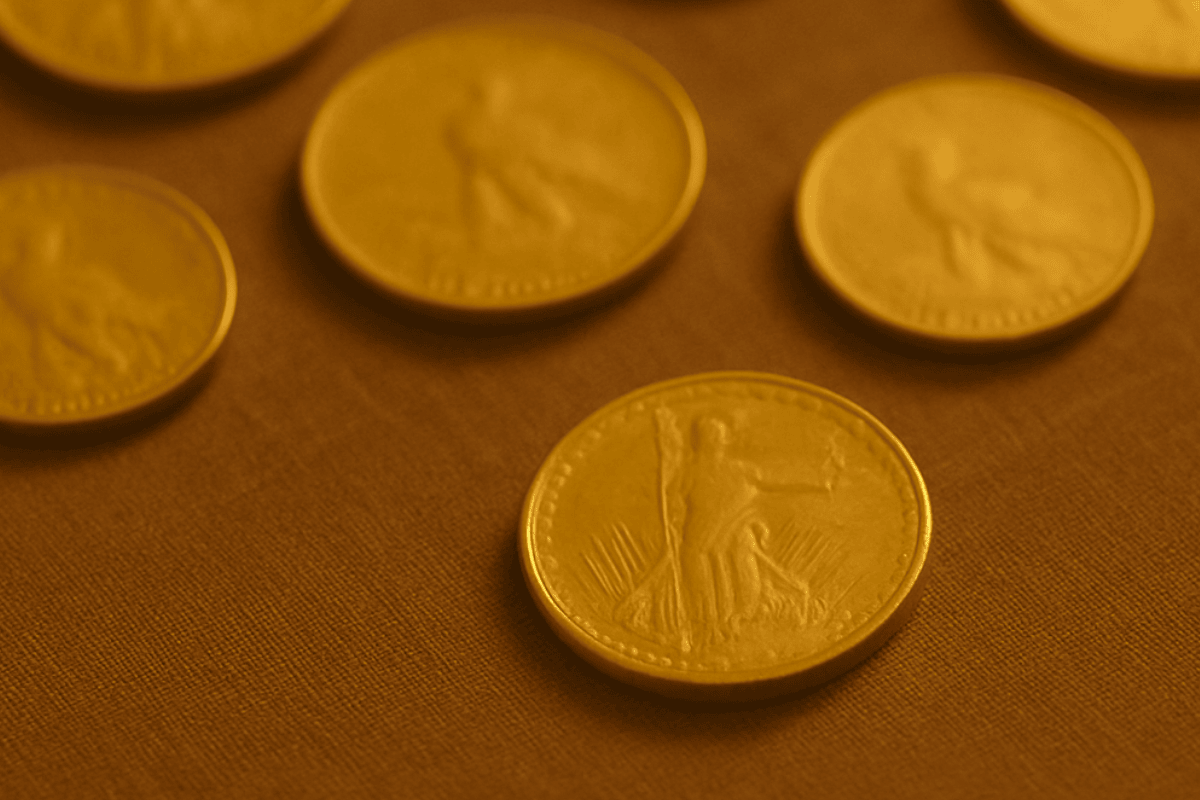


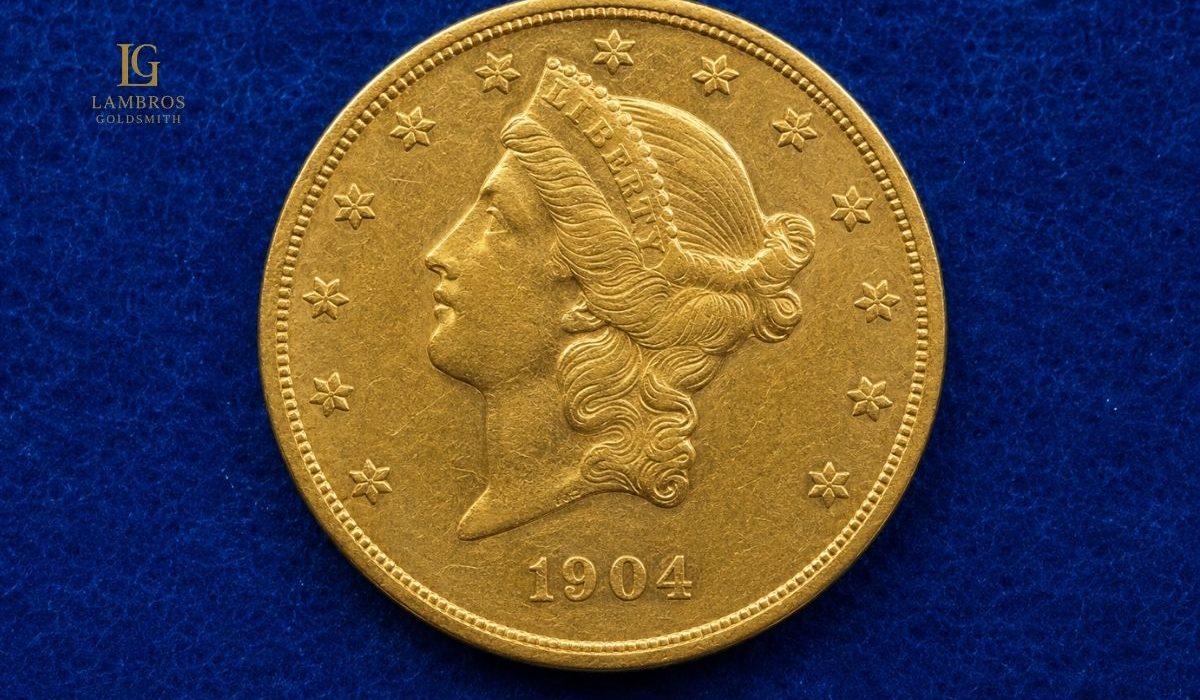
Few objects capture history quite like a pre-1933 gold coin. Struck during America’s formative years and pulled from circulation nearly a century ago, these coins represent a vanished era of commerce, artistry, and national ambition.
Once ordinary money in everyday pockets, they became instant rarities the moment gold was recalled in 1933.
Today they hold a unique dual appeal, combining real gold content with genuine historical and collectible value. This guide explores their history, their designs, their rarity, and what makes them so treasured by collectors and investors alike.
What Are Pre-1933 Gold Coins?
Pre-1933 gold coins are gold pieces struck by the United States Mint for circulation before gold coinage ended in 1933. For nearly 140 years, these coins served as everyday money, backing the nation’s economy with tangible precious metal.
When the government recalled gold in 1933, most of these coins were melted down, transforming the survivors into scarce artifacts of a bygone monetary age.
What sets them apart from modern bullion is their story. Each coin passed through a period of American history, from the young republic to the Gold Rush to the industrial boom.
That heritage, combined with the gold they contain, gives them a character that newly minted coins simply cannot replicate.
A Brief History of U.S. Gold Coinage
The Birth of American Gold Coins (1792 to 1834)
The Coinage Act of 1792 established the United States Mint and authorized the nation’s first gold coins. Production began in 1795 with the Half Eagle ($5) and the Eagle ($10), followed by the Quarter Eagle ($2.50) in 1796.
These early pieces were struck in 22-karat gold, a fineness of roughly .9167, and featured classic Liberty motifs by the Mint’s early engravers.
There was an interesting catch, however. The gold in these coins was often worth more than their face value, so many were melted or exported for profit. As a result, early American gold coins are exceptionally scarce today.
Refinements and New Denominations (1834 to 1849)
The Coinage Act of 1834 addressed the melting problem by reducing the amount of gold in each coin, which helped the pieces stay in circulation.
A few years later, the Coinage Act of 1837 standardized the fineness at .900, or 90% gold, a standard that would define American gold coins for the rest of their history.
The Gold Rush Expansion (1849 to 1889)
The discovery of gold in California unleashed a flood of new metal and demand for larger coins. In 1849, Congress authorized the gold dollar ($1) and the Double Eagle ($20), the largest regularly issued gold coin in the series.
The $3 gold piece arrived in 1854. This era produced an extraordinary variety of denominations, though several, including the gold dollar and the $3 piece, ended production in 1889.
A Golden Age of Design (1907 to 1933)
In the early 20th century, President Theodore Roosevelt championed a sweeping redesign of American coinage.
He recruited renowned sculptor Augustus Saint-Gaudens, whose Double Eagle is widely regarded as the most beautiful coin the nation ever produced. Saint-Gaudens also designed the striking Indian Head Eagle.
Sculptor Bela Lyon Pratt followed with the unusual incuse Indian Head Quarter Eagle and Half Eagle in 1908, whose designs were recessed into the surface rather than raised. These coins elevated American money into genuine art.
The End of an Era: 1933
In the depths of the Great Depression, President Franklin D. Roosevelt issued Executive Order 6102 in 1933, requiring citizens to surrender most of their gold coins, bullion, and certificates. The Gold Reserve Act followed in 1934.
Gold coin production for circulation ceased, and vast quantities of existing coins were melted into bars.
The legendary 1933 Double Eagle was never officially released, and a single example later sold at auction for nearly $19 million, which is a testament to how far these coins have traveled from their original face value.
Types and Denominations of Pre-1933 Gold Coins
The series spans six main denominations, each with its own history and appeal.
- The gold dollar ($1) was the smallest, a tiny coin produced from 1849 to 1889.
- The Quarter Eagle ($2.50) circulated from 1796 into the late 1920s.
- The rare $3 gold piece ran from 1854 to 1889.
- The Half Eagle ($5) and Eagle ($10) were both introduced in 1795 and remained in production for well over a century.
- The Double Eagle ($20), the flagship of the series, was struck from 1850 until 1933.
A handful of experimental pieces, such as the $4 Stella pattern of 1879 and 1880, were never released for circulation and today rank among the rarest and most coveted American coins.
How Gold Content and Designs Evolved
Changing Gold Content
American gold coins began at roughly .9167 fineness under the 1792 act, shifted after the 1834 reform, and settled at .900 fineness following the 1837 act.
That 90% gold standard, alloyed with copper for durability, defined the coins for the majority of the pre-1933 period and gave them the hard-wearing quality needed for daily commerce.
Evolving Designs
The artistic journey of these coins mirrors the nation’s growth. Early Liberty portraits with flowing hair and capped busts gave way to the long-running Coronet, or Liberty Head, designs that dominated much of the 19th century.
The final chapter brought the celebrated Saint-Gaudens and Indian Head motifs of the early 1900s, marking the artistic high point of the entire series before production ended.
Why Pre-1933 Gold Coins Are Rare and Treasured

The Great Melt
The single biggest reason for their scarcity is the mass melting that followed the 1933 gold recall.
Millions of coins were destroyed and converted into government gold bars, wiping out enormous quantities of what had once been common currency. Every surviving coin is a piece that escaped that fate.
Overseas Survivors
Many pre-1933 gold coins survived because they had been shipped abroad before the recall. European banks and institutions held large reserves of American gold coins, safely beyond the reach of the melting order.
Decades later, many of these coins were repatriated, which is why certain common dates remain available today despite the destruction at home.
Historical and Artistic Value
In addition to their scarcity, these coins are treasured for their beauty and their connection to history.
Holding a coin designed by Saint-Gaudens or one that circulated during the Gold Rush offers a tangible link to the past that few investments can match. That blend of art, history, and precious metal is precisely what draws collectors.
Current Availability
Availability varies enormously depending on the coin.
Common-date Double Eagles and Liberty Head pieces, many returned from overseas hoards, are surprisingly obtainable and trade actively in the market. These are often the entry point for new collectors and investors.
At the other extreme, rare dates, low-mintage issues, coins from certain mints, and pristine high-grade examples can be genuinely difficult to find.
Scarcity in these categories drives strong competition whenever quality pieces come to market, and top specimens can be elusive for years at a time.
Current Value
What Drives the Price
The value of a pre-1933 gold coin rests on two pillars: its gold content and its numismatic worth.
- Common-date coins tend to trade at a modest premium over their metal value, tracking the price of gold fairly closely.
- Rare dates, scarce mintmarks, and high grades can carry premiums that vastly exceed melt value, sometimes reaching into the thousands or far beyond.
The Role of Condition
Condition, expressed through professional grading, has an outsized effect on price. A coin in worn, circulated condition may be worth little more than its gold, while the same coin in pristine, well-preserved condition can command a substantial premium.
For serious buyers, independent certification and grading are essential to understanding what a coin is truly worth.
Pros and Cons of Investing in Pre-1933 Gold Coins
Advantages
These coins offer a rare combination of investment benefits. They contain real gold, providing the same inflation-hedging and store-of-value qualities as bullion.
They also carry numismatic upside, meaning rare and high-grade pieces can appreciate based on collector demand independent of the gold price. Their historical significance and limited supply add a layer of appeal, and their beauty makes them a pleasure to own.
Drawbacks
The trade-offs are real. Pre-1933 coins carry higher premiums than standard bullion, so more of your money goes toward collectible value rather than raw metal. Pricing depends on expertise, since grade, date, and authenticity all matter, and mistakes can be costly.
Counterfeits exist, liquidity can be lower than for common bullion, and the collector market adds a layer of volatility on top of gold’s own price swings. Knowledge and a trusted source are essential.
The Lasting Allure of Pre-1933 Gold Coins
Pre-1933 gold coins occupy a rare space where history, artistry, and precious metal value converge. They carry the weight of America’s past while holding real gold value that endures.
For collectors, they offer beauty and a tangible connection to a bygone era. For investors, they blend bullion value with numismatic potential, though they demand knowledge and careful buying.
Whether you’re drawn by the stories, the designs, or the gold itself, these coins reward those who take time to understand them. Buy wisely, and history becomes part of your portfolio.
Frequently Asked Questions About Pre-1933 Gold Coins
Why did gold coin production stop in 1933?
During the Great Depression, the federal government moved to strengthen the nation’s gold reserves and stabilize the currency. An executive order in 1933 required citizens to turn in most of their gold coins and bullion, and gold coinage for circulation was halted. Much of the surrendered gold was melted into bars, which is why surviving coins are now so scarce.
Are pre-1933 gold coins a good investment?
They can be, especially for those who appreciate both gold and history. Common dates offer gold value plus a modest collectible premium, while rare and high-grade coins can appreciate based on collector demand alone.
The trade-off is higher premiums and the need for expertise. They tend to suit patient buyers who value the blend of metal and heritage over pure bullion efficiency.
How can I tell if a pre-1933 gold coin is authentic?
The safest approach is to buy coins that have been authenticated and graded by a respected independent grading service and sealed in a tamper-evident holder. Certification confirms the coin’s genuineness, grade, and specifications. Buying from established, reputable dealers and avoiding deals that seem too good to be true also greatly reduces the risk of counterfeits.
What is the most famous pre-1933 gold coin?
The 1933 Double Eagle is the most legendary of all. Designed by Augustus Saint-Gaudens and never officially released for circulation, nearly all examples were melted. A single legally owned specimen later sold at auction for close to $19 million, making it one of the most valuable coins in the world and a symbol of the entire pre-1933 era.
Do pre-1933 gold coins qualify for a gold retirement account?
Generally, no. Most self-directed retirement accounts require coins that meet strict modern purity standards and appear on an approved list, and pre-1933 numismatic coins typically don’t qualify. These coins are usually purchased for personal collections and investment portfolios rather than retirement accounts. Always verify current rules with a qualified custodian before making any decision.